Transaction Services: the Job, the Internship and the Interview, with a Financial Due Diligence Worked Step by Step
- Transaction Services
- Careers
Transaction services (TS) is the team at audit and advisory firms, the Big Four among them, that performs financial due diligence when a company is bought or sold; some firms call it transaction advisory services or simply financial due diligence (FDD). The analyst checks, for the buyer or the seller, what the target's earnings, net debt and working capital are really worth. Below: the work, the day-to-day, a worked example from reported EBITDA to the equity price, the internship and the interview.
A private equity fund is about to buy a mid-sized company. It already has a price in mind: a multiple of EBITDA, minus the debt. Before it signs, it wants to know whether those two numbers are right. That's where transaction services comes in: someone has to get inside the target's accounts and check, line by line, what really sits behind them.
This guide is for students discovering transaction services or preparing for an internship, in Paris, London or elsewhere in Europe. The facts about firms come from their service pages and from job offers at EY, KPMG, Deloitte and Alvarez & Marsal in Paris, read on October 27, 2026, plus UK and international firm pages and the ACCA career profile, read on November 16, 2026. An offer can disappear, but what it says about a profile or a process remains a concrete benchmark.
Transaction services in two sentences
The core of transaction services is financial due diligence: an in-depth analysis of a target during a deal (an acquisition, a sale or a financing) to identify its risks, test the assumptions behind the price and make the deal safer. It isn't a statutory audit: Baker Tilly points out that an audit certifies that the accounts are true and fair, while due diligence belongs to a transaction and serves a decision to buy or sell. Grant Thornton Switzerland makes the same distinction: due diligence is specific to a transaction, while an audit is often a legal requirement.
One job, several names
This is the first thing to know if you search for jobs in English. The same work appears under different labels depending on the firm and the country:
| Firm (country of the page) | What the team is called | Source |
|---|---|---|
| KPMG (UK) | Transaction Services, within Deal Advisory, about 450 people | Service page, read on November 16, 2026 |
| PwC (UK) | Transaction Services & Due Diligence, with the Head of Deals as contact | Service page, read on November 16, 2026 |
| Grant Thornton (UK) | Transaction advisory services, within Deals, with a financial due diligence sub-service | Service page, read on November 16, 2026 |
| Kroll | Financial Due Diligence, within Transaction Advisory Services | Service page, read on November 16, 2026 |
| Alvarez & Marsal (Paris) | Transaction Advisory Group (TAG) | Offer read on October 27, 2026 |
| EY (Paris) | Transaction Services, at EY-Parthenon (Strategy and Transactions service line) | Offer read on October 27, 2026 |
So when you search job boards, type all three: "transaction services", "transaction advisory" and "financial due diligence". The junior title varies too. EY Paris hires entry-level "consultants" in Transaction Services, KPMG Paris an intern "consultant" (offers read on October 27, 2026); Alvarez & Marsal hires analysts for its Transaction Advisory Group, with "Big 4 trained" listed under essential experience (offer read on October 27, 2026). The ACCA career profile, written for the UK, describes TS teams made up of associates, managers or senior managers, and partners, with associates doing much of the detailed analysis and the first draft of the working papers. Analyst, consultant or associate: in these sources, the heart of the junior job is the same, due diligence.
What a transaction services team does
The work
The clients are the people buying, selling or financing. BDO (France) lists investment funds, family offices, the M&A teams of large groups, companies and the people who finance them. Kroll lists buyers, sellers, lenders and investment banks. In its internship offer (read on October 27, 2026), KPMG Paris names large groups, small and mid-sized companies and investment funds.
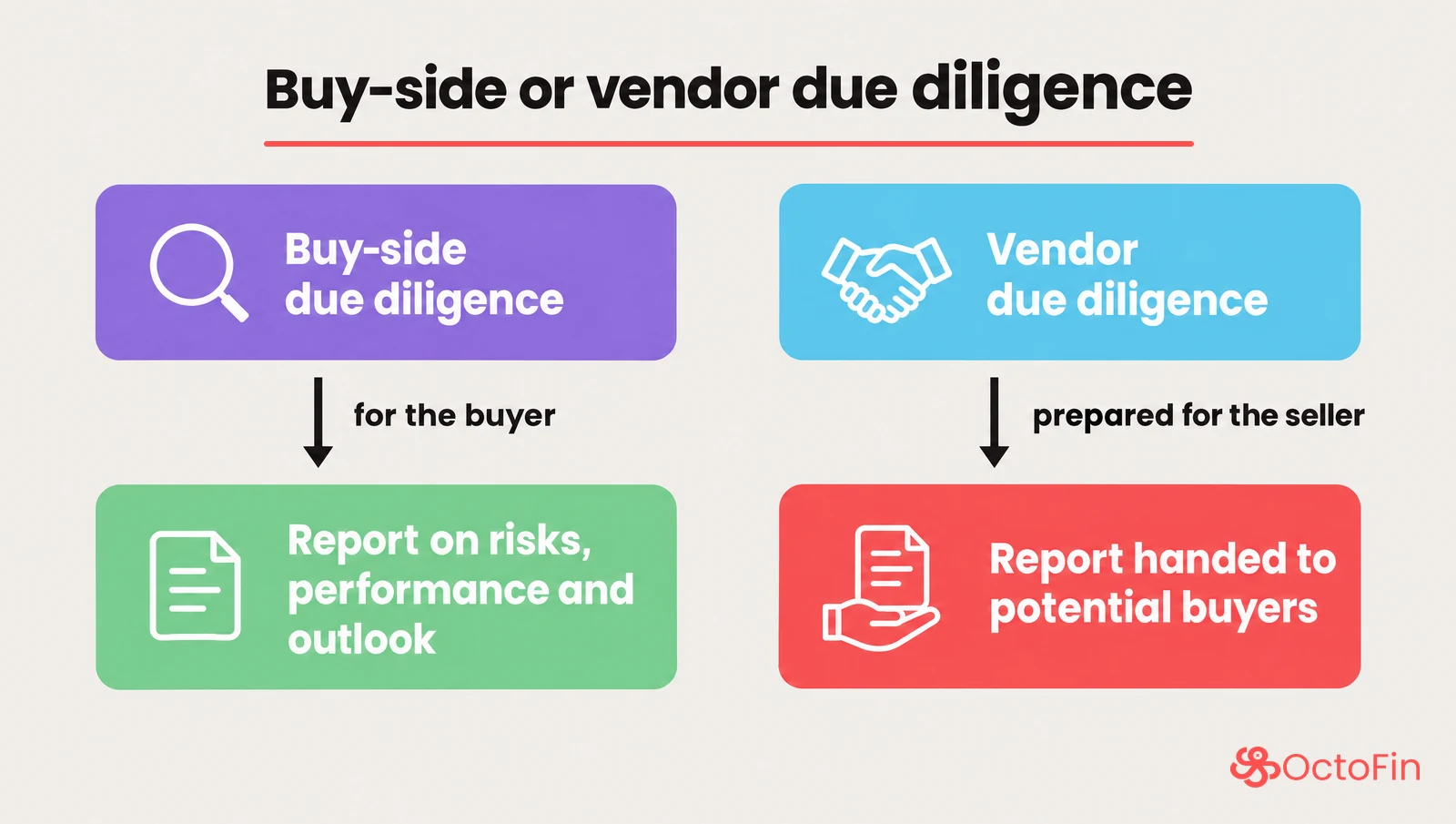
In its entry-level offer (read on October 27, 2026), EY describes the acquisition due diligence report: it tells the client about the quality of the target's financial information, its operating risks, its financial performance and its outlook. On the sell side, Forvis Mazars presents the vendor due diligence (VDD) report as a document handed to potential buyers to help them decide. The ACCA profile offers a handy picture: for a buyer, due diligence plays a role similar to a survey before buying a house.
| Assignment | For whom | What the team delivers |
|---|---|---|
| Buy-side due diligence | The buyer: a fund or a corporate | A report on the quality of the target's financial information, its risks, its performance and its outlook |
| Vendor due diligence (VDD) | The seller, then the potential buyers, who receive the report | An independent presentation of the business and its numbers, prepared before the sale |
| Vendor assistance | The seller | Preparing the financial data, organizing the data room, answering buyers' questions |
| Business plan review | The buyer, the seller or the lenders | A view on the assumptions behind the forecasts |
| Price mechanism and closing | The buyer or the seller | Setting up completion accounts or a locked box, calculating price adjustments |
The offers add other tasks: preliminary target reviews, public takeover bids or modeling the accounting effects of the deal for the buyer at KPMG Paris (offer read on October 27, 2026), and claims under the seller's indemnity at Deloitte Paris (offer read on October 27, 2026). That indemnity, a garantie de passif in France, is the seller's promise to cover debts or risks that arose before the sale. PwC UK also lists support on the sale and purchase agreement (SPA) and the negotiation of the equity price. KPMG UK adds IPOs and joint ventures to acquisitions and disposals.
The three numbers behind the price
A company's price is worked out in two steps. First, the value of the business, the enterprise value, for example a multiple of EBITDA. Then the bridge to the price of the shares, the equity value: you subtract net debt, and adjust if working capital is off its normal level. Grant Thornton Switzerland notes that the purchase price is often set as a multiple of the target's EBITDA, which is why validating EBITDA is a primary focus of financial due diligence. A TS team therefore checks three numbers, the ones BDO lists among the questions on its service page:
- Normalized EBITDA: the recurring level of profitability, once one-off items and items specific to the seller are stripped out. The analysis is called "quality of earnings" (QoE), the name Kroll gives this analysis.
- Net debt: financial debt minus cash, estimated at the expected date of the deal, plus items treated as debt ("debt-like items").
- Normalized net working capital (NWC): the working capital the business needs in normal times, for example its average over the year.
Still on BDO's list: risks, booked or not, that the buyer will want covered by the seller's indemnity or deducted from the price.
A day in the life of a transaction services analyst
A due diligence moves through a few steps, from the data room to the report.
The data room. The seller makes its documents available in a secure online space: annual accounts, trial balances, contracts, monthly reporting. The analyst sorts them, spots what's missing and prepares the information requests. KPMG Paris lists data room support among its intern's tasks (offer read on October 27, 2026).
The analysis in Excel. Rebuilding the income statement month by month, isolating one-off items, calculating normalized EBITDA, net debt and average working capital: that's the core of the job. The worked example below reproduces it in miniature. The ACCA profile adds the review of financial models and the drafting of the due diligence report.
Questions to management. Every number the documents don't explain becomes a question for the target's CFO or CEO, in writing or in a meeting. A litigation cost is only adjusted once it's understood: where it came from, whether it's closed, whether it could come back.
The report. At EY, the conclusions of the work go into a report for the client (offer read on October 27, 2026). The buyer uses it to set its price and negotiate its protections.
Working with the other advisers. EY runs financial due diligence alongside its strategy, legal, tax and employment teams (offer read on October 27, 2026). At Deloitte, the financial services TS team works with the M&A, valuation, tax and integration departments (offer read on October 27, 2026). KPMG Paris describes project teams on a human scale (à taille humaine, offer read on October 27, 2026).
On hours and the length of assignments, none of the sources read for this page gives a figure. The ACCA profile only says the role can mean long hours to meet client deadlines. Ask the analysts you meet: they're the ones who know how their team really lives.
Worked example: from reported EBITDA to the equity price
The example is made up, with round numbers. The adjustments are typical of a financial due diligence: every target has its own, and a given deal may have none of these.
The assumptions. A French manufacturing company, owned by its founder through a holding company. The holding company also owns the property company (an SCI) that owns the factory; only the operating company is sold. The accounts follow French GAAP: rent is an operating expense, so it sits inside EBITDA. Reported EBITDA for the last year: €10.0m. The buying fund prices at 8 times EBITDA. All amounts are in €m.
Step 1: from reported EBITDA to normalized EBITDA
Normalized (or adjusted) EBITDA is historical EBITDA corrected for one-off, exceptional or seller-specific items, to reflect what the business earns in normal times. Three adjustments in our target.
The one-off litigation: +0.2. The company paid a 0.2 settlement to a former distributor to end a contract, booked in operating expenses, so inside EBITDA. If it's an isolated, closed event, it won't come back: you add it back. What the analyst checks: where the cost is booked (if it's already in exceptional items, below EBITDA, there's nothing to adjust), the settlement agreement, and the absence of similar costs in earlier years.
The owner's pay: −0.3. The founder runs the company for 0.15 a year, including payroll taxes. A salaried CEO with an equivalent profile would cost 0.45. Under the new owner, that market cost is what the company will have to pay: 0.45 − 0.15 = 0.3 of extra cost. The adjustment works both ways: an owner paid above market gives a positive adjustment.
The related-party rent: −0.4. The company rents its factory from the group's property company for 0.25 a year. After the sale, the property company stays with the seller and the new lease is signed at market rent, estimated here at 0.65: 0.65 − 0.25 = 0.4 of extra cost. (Under IFRS 16, most lease costs move out of EBITDA: the adjustment would be reasoned differently.)
| Line | Calculation | Amount |
|---|---|---|
| Reported EBITDA | 10.0 | |
| + One-off litigation | +0.2 | |
| − Owner's pay brought to market | 0.45 − 0.15 | −0.3 |
| − Related-party rent brought to market | 0.65 − 0.25 | −0.4 |
| = Normalized EBITDA | 10.0 + 0.2 − 0.3 − 0.4 | 9.5 |
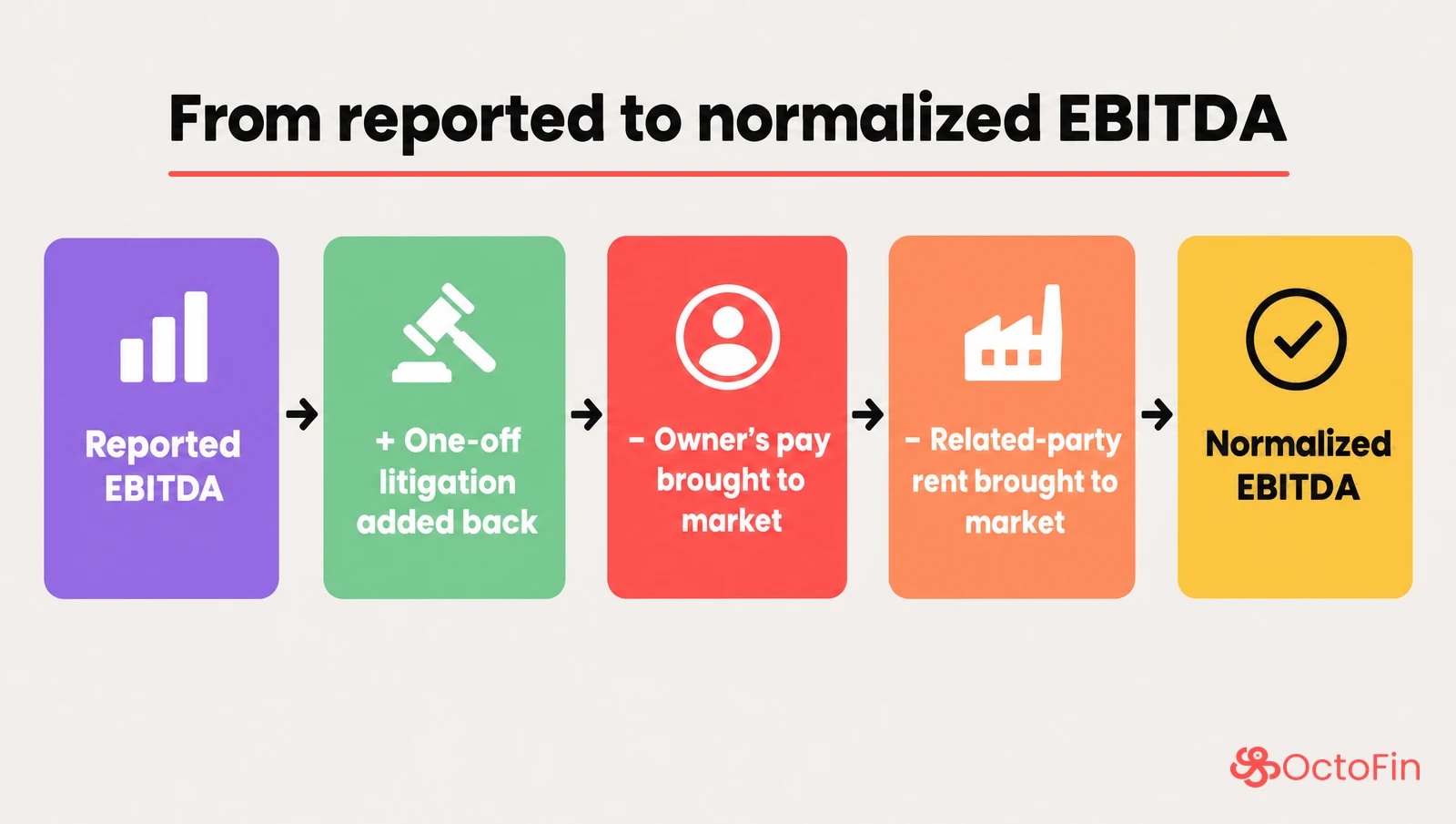
At 8 times EBITDA, enterprise value goes from 8 × 10.0 = 80.0 to 8 × 9.5 = 76.0. The 0.5 of net adjustments costs 4.0 of price: here, every euro of EBITDA adjusted is worth eight.
Step 2: net debt and debt-like items
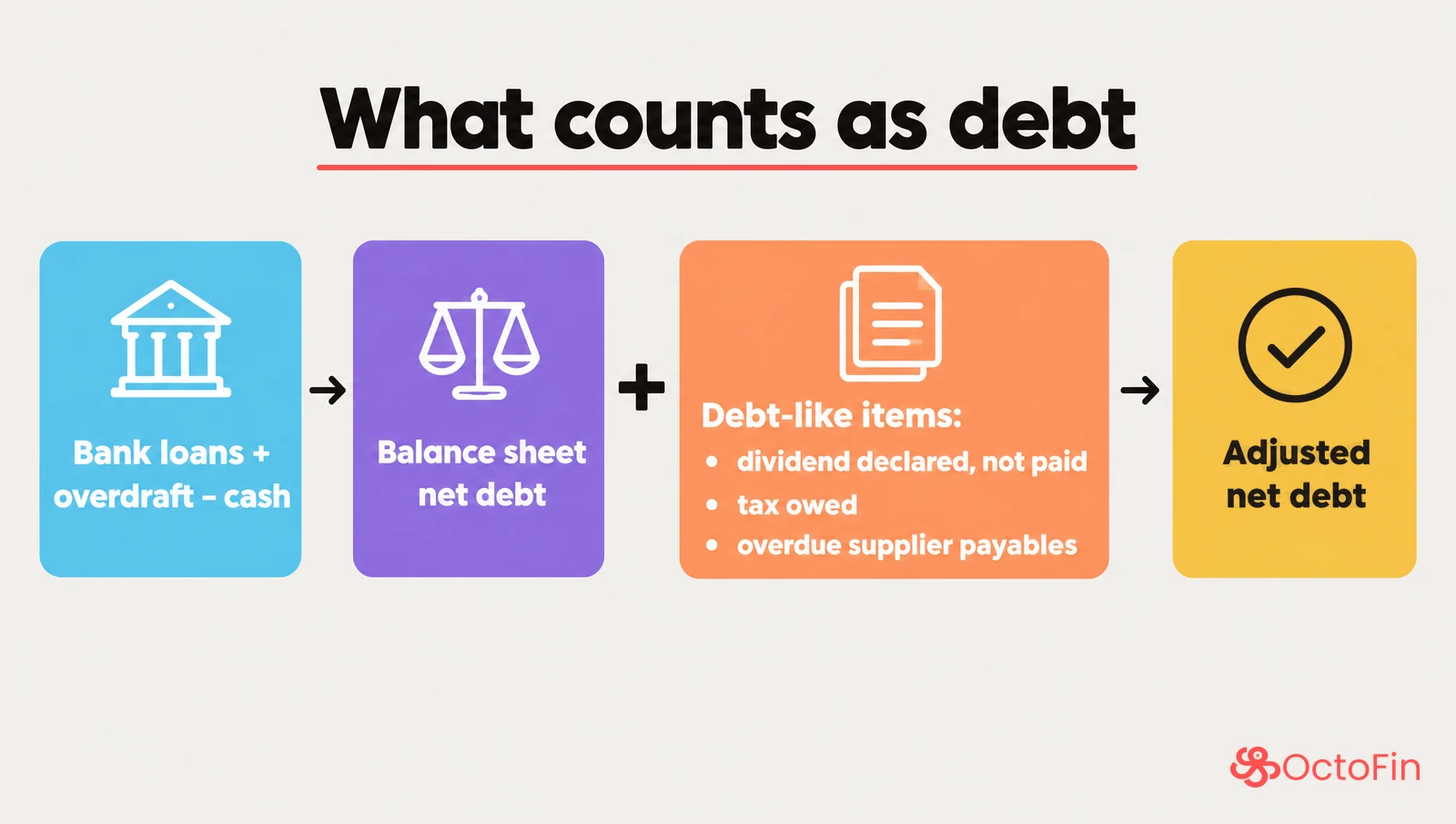
Start from balance sheet net debt at the deal's reference date.
| Line | Amount |
|---|---|
| Bank loans | 12.0 |
| + Bank overdraft | 1.0 |
| − Cash | −5.0 |
| = Balance sheet net debt | 8.0 |
Debt-like items are obligations that aren't financial debt in the strict sense, but are treated as debt when you go from enterprise value to equity value. The logic: the buyer pays for the business, not for amounts the company will have to pay after closing for the period before it. Three typical examples in our target:
- Dividend declared, not yet paid: 1.0. The shareholders' meeting has approved it, the cash is still in the company, but it already belongs to the seller. Left in cash, it would inflate the price.
- Corporate income tax owed for the past year: 0.6. It's tax on profits earned before the sale, and the company, so the buyer, will pay it.
- Overdue supplier payables: 0.4. Invoices past their due date and still unpaid: the company kept cash by paying late. When suppliers go back to their usual terms, that catch-up will have to be funded.
| Line | Amount |
|---|---|
| Balance sheet net debt | 8.0 |
| + Dividend declared, not paid | 1.0 |
| + Corporate income tax owed | 0.6 |
| + Overdue supplier payables | 0.4 |
| = Adjusted net debt | 10.0 |
The list of debt-like items is negotiated between buyer and seller: the definition written in the sale and purchase agreement is what counts.
Step 3: normalized working capital
Here, operating working capital is inventory + trade receivables − trade payables. The buyer wants a company with the working capital it needs to run. If some is missing, the buyer will have to fund it in the months after closing.
| Line | At the reference date | Adjusted |
|---|---|---|
| Inventory | 4.0 | 4.0 |
| + Trade receivables | 8.0 | 8.0 |
| − Trade payables | −7.4 | −7.0 |
| = Working capital | 4.6 | 5.0 |
The 0.4 of overdue payables is already in net debt: you take it out of working capital so it isn't counted twice. Adjusted working capital: 4.0 + 8.0 − 7.0 = 5.0.
Normalized working capital is the benchmark: in the example, the average of the 12 month-ends of the past year, on the same definition, so excluding overdue payables, which gives 6.0. The benchmark and closing working capital must be measured the same way; otherwise the gap would come from the definition, not from the business. Adjusted working capital is 1.0 below that level (5.0 − 6.0 = −1.0): the buyer will have to rebuild that 1.0 after closing, so the price drops by the same amount.
This adjustment assumes a completion accounts mechanism: the final price adjusts, euro for euro, to actual net debt and working capital at closing (in the example, the reference date is assumed to be the closing date). With a locked box, the price is fixed on a past balance sheet: see the follow-up questions below.
Step 4: the equity price
| Line | Quick read | After due diligence |
|---|---|---|
| Enterprise value (8 times EBITDA) | 8 × 10.0 = 80.0 | 8 × 9.5 = 76.0 |
| − Net debt | −8.0 | −10.0 |
| + Working capital adjustment | 0 | −1.0 |
| = Equity price | 72.0 | 65.0 |
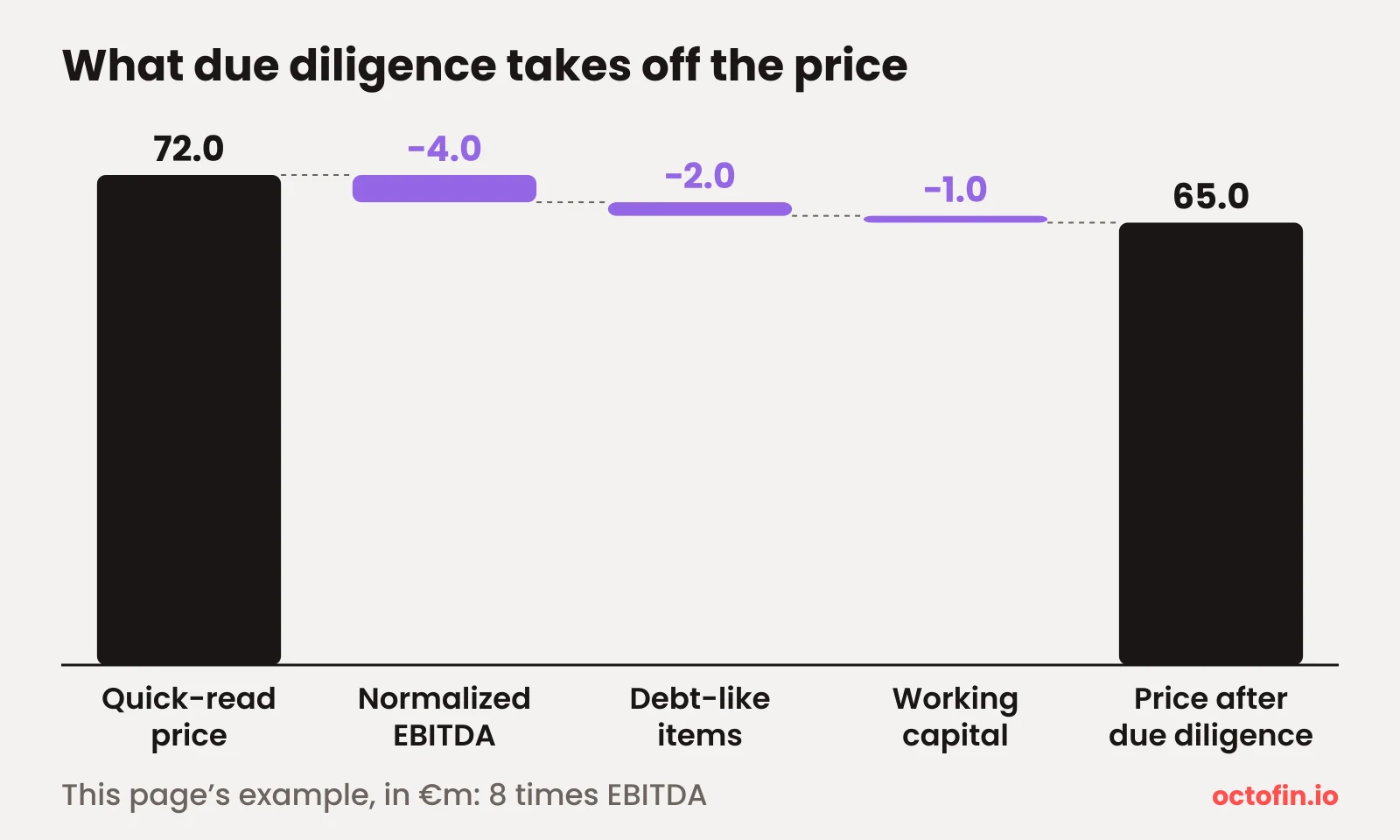
The gap is 72.0 − 65.0 = 7.0, about 9.7% of the quick-read price (7.0 / 72.0). It breaks down into 4.0 of EBITDA (0.5 × 8), 2.0 of debt-like items and 1.0 of working capital: 4.0 + 2.0 + 1.0 = 7.0.
In a report summary, or out loud in an interview, it sounds like this:
"Normalized EBITDA comes out at €9.5m, against €10.0m reported: we add back a one-off litigation cost of 0.2 and bring the owner's pay, −0.3, and the related-party rent, −0.4, to market. Adjusted net debt is €10.0m, including 2.0 of debt-like items: a declared but unpaid dividend, tax owed and overdue payables. Working capital is €1.0m below its normalized level. At 8 times EBITDA, the equity price goes from €72.0m to €65.0m."
Follow-up questions
"What if the target has a lawsuit like this every year?" Then it isn't a one-off, it's a cost of doing business: you don't add it back. Normalized EBITDA: 10.0 − 0.3 − 0.4 = 9.3. Enterprise value: 8 × 9.3 = 74.4. Equity price: 74.4 − 10.0 − 1.0 = 63.4, which is 1.6 less than 65.0 (0.2 × 8).
"What if the owner paid himself 0.65?" He'd cost 0.2 more than the market: the adjustment becomes +0.2 (0.65 − 0.45). Normalized EBITDA: 10.0 + 0.2 + 0.2 − 0.4 = 10.0. Enterprise value: 80.0. Equity price: 80.0 − 10.0 − 1.0 = 69.0.
"And with a locked box?" The price is calculated on a past reference balance sheet, then locked: no adjustment at closing. Net debt and working capital on that balance sheet are therefore negotiated before signing. Between the reference date and closing, the seller can no longer take value out of the company ("leakage"), except what the agreement allows, such as an agreed dividend.
To brush up on the basics behind this example (the three financial statements, how they link, working capital), our accounting cheat sheet for interviews sums them up, with the key formulas and the classic traps.
Where to work in transaction services
Here is a list in no order of merit: no ranking was checked for this page.
- The Big Four: Deloitte, EY, KPMG and PwC.
- Forvis Mazars.
- Audit and advisory networks: Baker Tilly, BDO, Grant Thornton.
- Specialist advisory firms: Accuracy, Alvarez & Marsal, Eight Advisory, Kroll.
The team doesn't sit in the same place from one firm to the next, and its name sometimes changes. In France, for the firms whose pages were read on October 27, 2026:
| Firm | Team name and where it sits | Source |
|---|---|---|
| Accuracy | Transactions | Expertise page |
| Alvarez & Marsal | Transaction Advisory Group (TAG), in Paris | Offer read on October 27, 2026 |
| Baker Tilly | Transaction Services, within Corporate Finance | Service page |
| BDO | Transaction Services, within Deal Advisory | Service page |
| Deloitte | Transaction Services, within Financial Advisory; a TS FSI team dedicated to financial services | Offer read on October 27, 2026 |
| Eight Advisory | Transaction Services | Service page |
| EY | Transaction Services, at EY-Parthenon (Strategy and Transactions service line) | Offer read on October 27, 2026 |
| Forvis Mazars | Transaction Services, within Deals (Financial Advisory) | Service page |
| Grant Thornton | Transaction Services, within Deal Advisory | Service page |
| KPMG | Transaction Services | Service page |
For the UK, the table in "One job, several names" above gives KPMG, PwC and Grant Thornton; Kroll lists financial due diligence managing directors in both Paris and London.
Two differences worth knowing for your application. Some teams specialize by sector: at Deloitte Paris, the TS FSI team works on financial services, meaning banks, insurers and asset managers (offer read on October 27, 2026). And Alvarez & Marsal highlights that it has no conflicts with audit engagements (offer read on October 27, 2026).
Transaction services vs M&A vs audit
The three jobs work on the same accounts, hence the confusion. Audit looks at the past to certify it; TS looks at it to get to a price; M&A advises on the deal itself, from choosing the counterparty to negotiating.
| Statutory audit | Transaction services | M&A | |
|---|---|---|---|
| When | Every financial year, outside any deal | During a deal: before signing for the due diligence, then at and after closing on completion accounts and price adjustments | The whole deal, from preparation to closing |
| For whom | The company and its shareholders | The buyer, the seller or the lenders | The buyer or the seller |
| The question | Are the accounts true and fair? | What are the target's earnings, net debt and working capital really worth? | Which deal, with whom, at what price? |
| The deliverable | The audit report on the accounts | The due diligence report, support on the price | Teaser, information memorandum, valuation model, advice in the negotiation |
| The skills | Accounting standards, internal controls | Applied accounting, Excel analysis, questions to management | Valuation, modeling, drafting, negotiation |
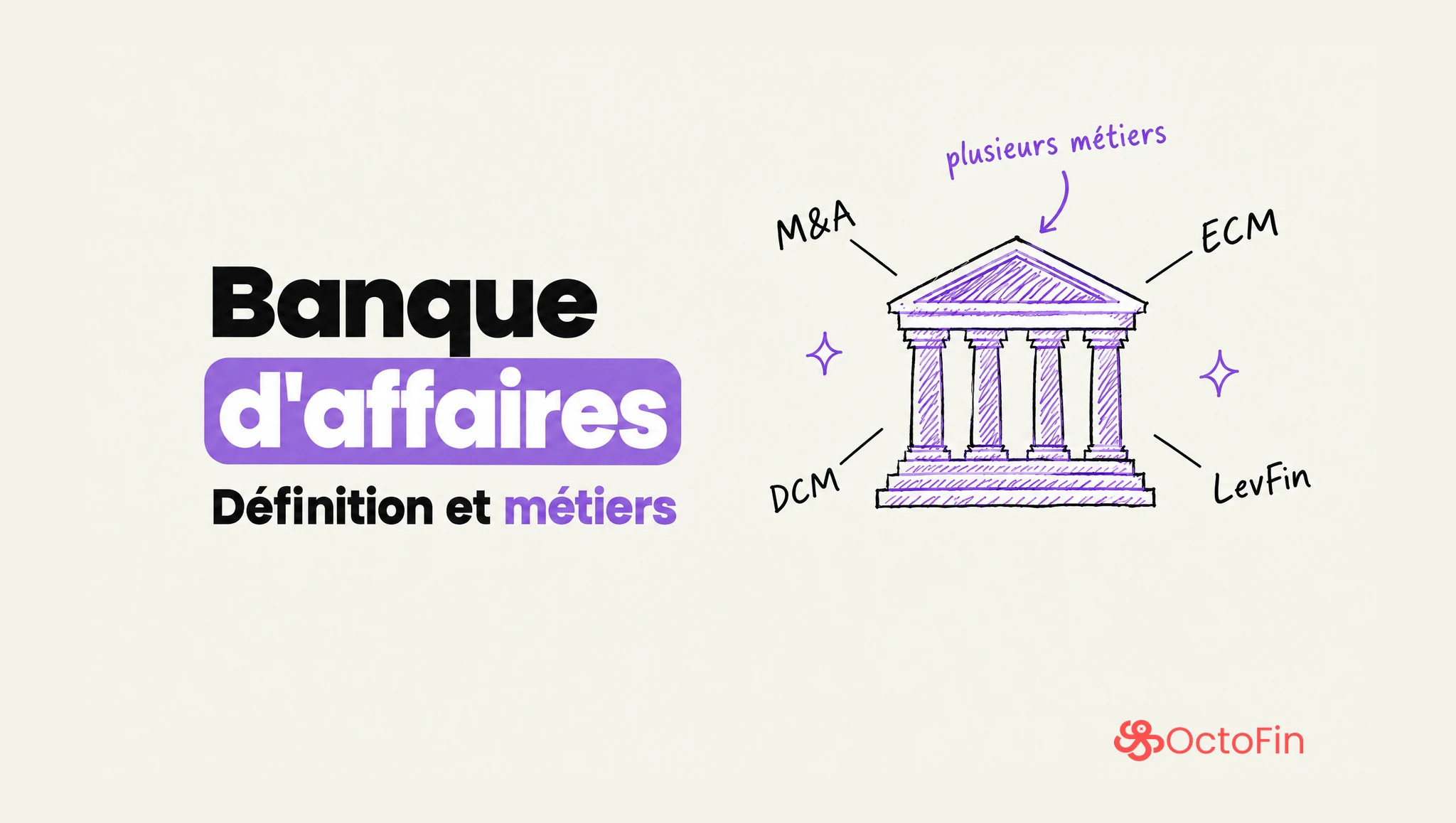
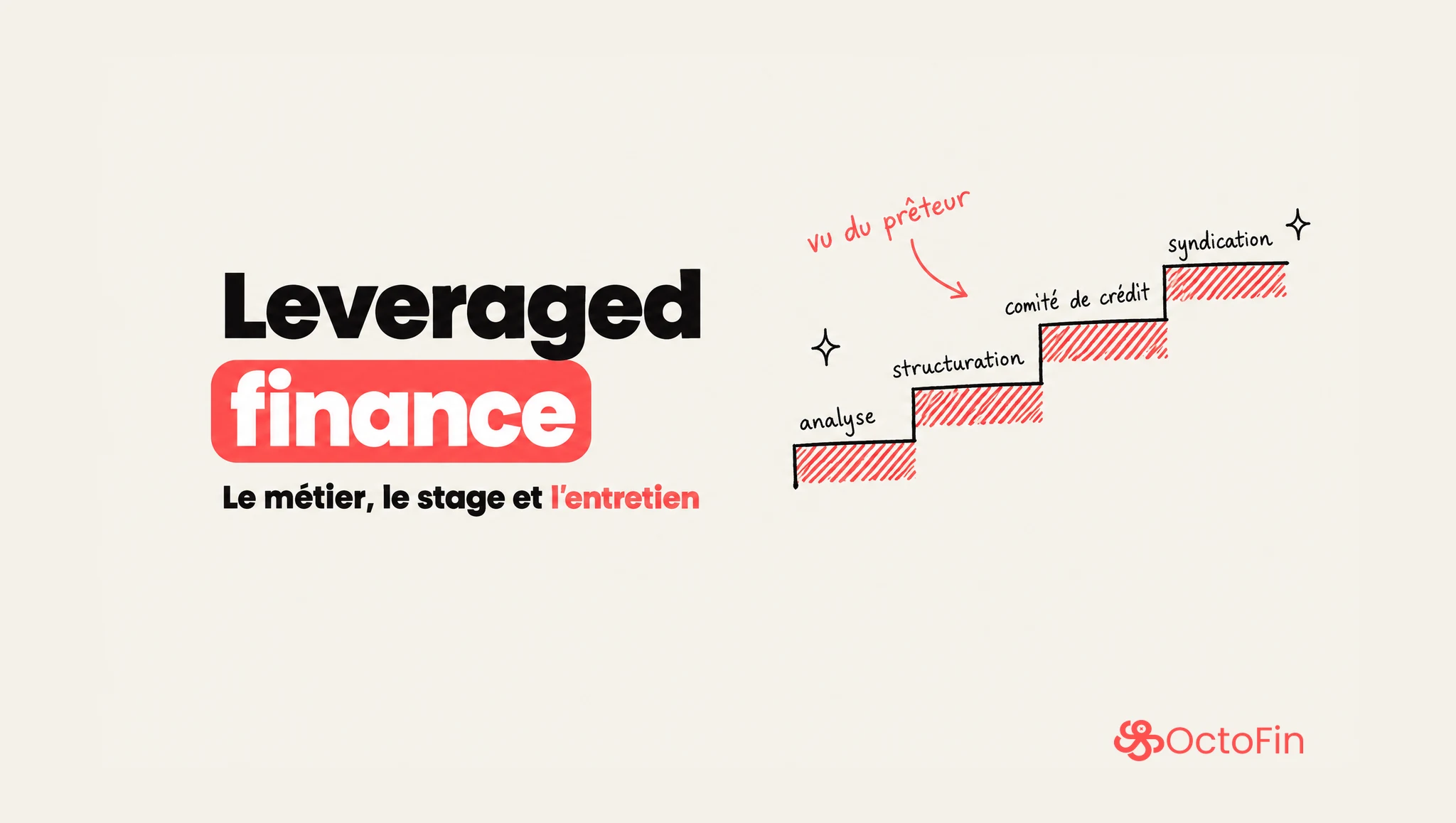
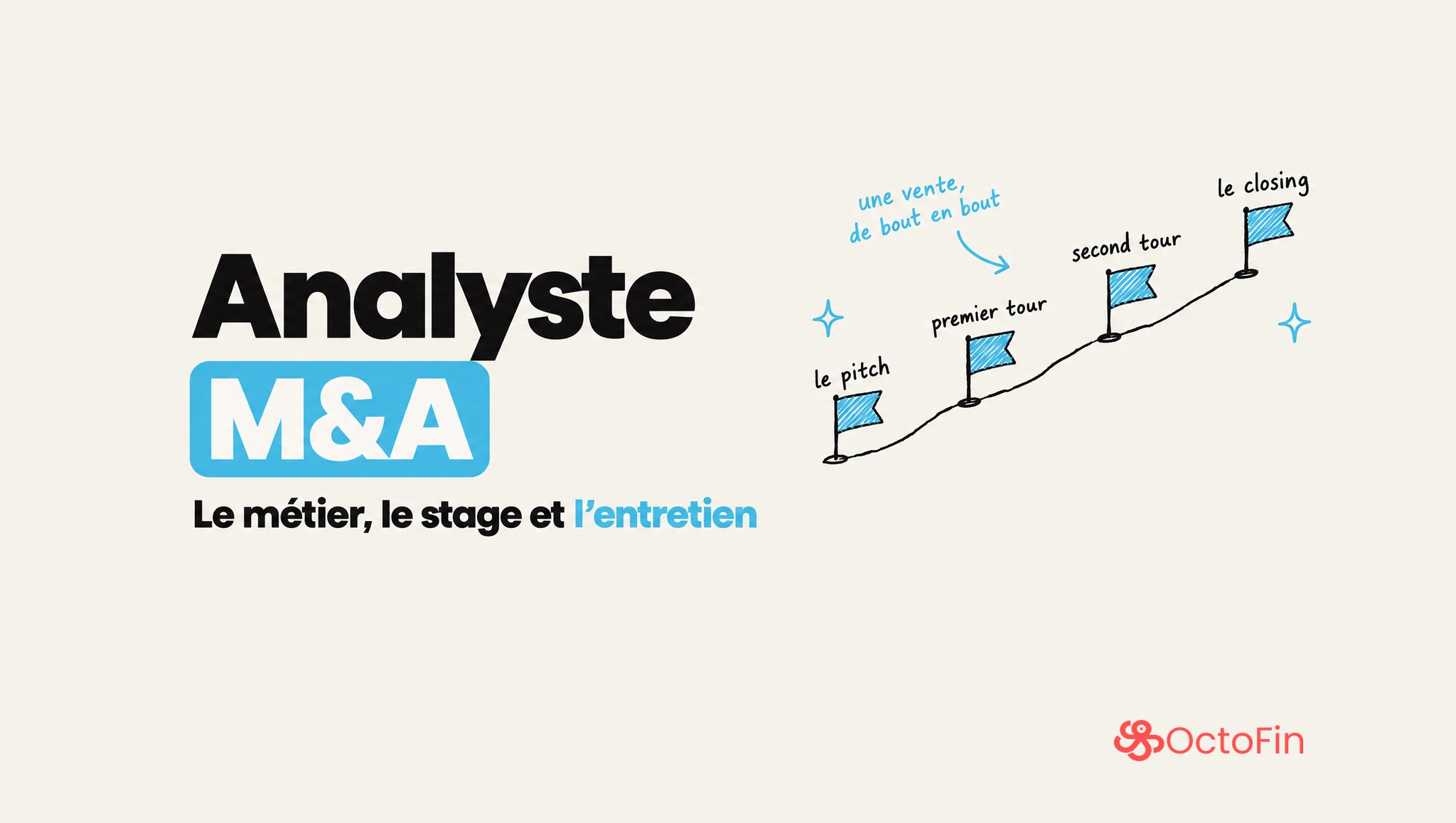
The roles meet on the same sale: the seller can hire an investment bank to run the sale and a TS team for the VDD. The bank side of that deal is described in our guide to the M&A analyst job, and the wider picture of who does what in our guide to investment banking. When the buyer borrows to pay, as in an LBO, the lenders read the due diligence too: their side is covered in our guide to leveraged finance.
The transaction services internship
Three offers read on October 27, 2026, all in Paris, show what firms expect from a candidate. They don't say what every firm asks, nor every team within the same firm.
| Firm and role | Length or start date | Experience required | Other requirements |
|---|---|---|---|
| Deloitte, Transaction Services FSI intern (offer read on October 27, 2026) | Six-month internship, starting as soon as possible | A first six-month experience in audit or finance | Student at a top French business or engineering school (grande école) or in a postgraduate university program; comfortable with accounting; interest in financial services; spoken and written English |
| KPMG, Transaction Services intern consultant (offer read on October 27, 2026) | Not stated in the offer | A first deal-related experience is mandatory (TS, M&A or private equity): a six-month internship or a one-year work-study placement | About to graduate; fluent English, ideally a third language |
| EY, entry-level consultant on a permanent contract at EY-Parthenon (offer read on October 27, 2026) | Permanent role starting September 2027 | Ideally a first internship in an investment fund, a bank, audit or structured finance | Master's-level degree; excellent English |
What this means for you. In the Deloitte and KPMG offers read on October 27, 2026, a transaction services internship isn't a first experience: it assumes one. If you're aiming for a TS internship in France, think early (in your first master's year or your gap year) about what will count as that first experience. KPMG's offer (read on October 27, 2026) accepts a one-year work-study placement instead of a six-month internship, and mentions possible permanent offers at the end of the internship for strong performers.
English comes up in all three offers read on October 27, 2026. Among the profile requirements, accounting is only spelled out in Deloitte's, which asks you to be at ease with accounting (à l'aise en comptabilité, offer read on October 27, 2026), but the worked example above shows why it matters: without the links between the income statement, the balance sheet and the cash flow statement, no adjustment holds up.
The transaction services interview
The process, from two offers
| Step | EY, entry-level consultant, permanent role (offer read on October 27, 2026) | KPMG, internship (offer read on October 27, 2026) |
|---|---|---|
| 1 | Online tests | A screening phone interview |
| 2 | A half-day recruitment session | A test: personality, language, technical or cognitive |
| 3 | A further interview with a partner | One or more interviews on motivation and technical knowledge |
| 4 | Final decision, communicated whatever the outcome |
KPMG says these steps can vary by offer (offer read on October 27, 2026). At EY, the interviews are used to discuss your background, assess your skills and answer your questions (offer read on October 27, 2026). To compare with an investment bank, the M&A interview is described in our M&A analyst guide.
The questions to prepare
Both offers announce two similar parts: your background or motivation, then your skills or technical knowledge (offers read on October 27, 2026). For each family of questions, here is what the interviewer is checking. A motivation answer is built from your own background: we don't give a ready-made one.
Accounting. The three financial statements and how they link, working capital, net debt, the bridge from enterprise value to equity value. It's the same base as in M&A: our M&A interview questions with answers cover the accounting part, in the format you'd use out loud.
Adjustments. "What is normalized EBITDA?", "Give me an example of an adjustment", "What is a debt-like item?". The interviewer checks that you can define, give an example and show the effect on price. The example on this page gives you all three.
The test or technical case. KPMG lists a technical test among its possible tests (offer read on October 27, 2026). Redo the example above without looking, on paper, all the way to the equity price.
"Why transaction services?" The interviewer checks that you know what the job is (a due diligence, a report, numbers that make a price) and that your reasons come from the job itself, not only from where it can lead.
"Why our firm rather than another Big Four?" They check that you've looked at what sets the team apart. The offers give concrete hooks: a team dedicated to financial services at Deloitte, TS within EY-Parthenon at EY (offers read on October 27, 2026); in the UK, KPMG puts its team within Deal Advisory. Add what the people you've met have told you.
"Why not audit, or M&A?" They check that you know the differences (the table above) and that your choice is a positive one, without running down the other job.
After transaction services: exit opportunities
None of the sources read for this page says which paths are most common. Here are the ones that follow from the job, in no particular order.
- Staying in TS and taking on broader assignments: the ACCA profile describes teams of associates, managers or senior managers, and partners.
- Private equity. Funds are clients of TS teams: EY talks about financial investors, Deloitte and KPMG about investment funds (offers read on October 27, 2026). A TS analyst already knows the numbers a fund examines before investing. The job on the fund's side is covered in our guide on how to get into private equity.
- M&A, at an investment bank or in a company's corporate development team.
- Finance inside a company: financial planning and analysis, in-house M&A, the finance department.
- Neighboring teams at the same firms: valuation, post-deal integration. At Deloitte, the TS team already works with them (offer read on October 27, 2026).
People also move into TS from other jobs: KPMG accepts a first experience in M&A or private equity for its TS internship (offer read on October 27, 2026). And people move between firms: Alvarez & Marsal's analyst offer lists "Big 4 trained" under essential experience and names experience in TS, private equity, audit or M&A as a plus (offer read on October 27, 2026).
Frequently asked questions
What does transaction services do?
Financial due diligence. For a buyer, the team analyzes a target's accounts before the purchase; for a seller, it prepares a vendor due diligence or supports the sale. The work leads to the three numbers behind the price (normalized EBITDA, net debt, normalized working capital) and to a report on the risks. The team also helps set the price mechanism in the agreement and, after closing, calculate price adjustments on the completion accounts.
Is transaction services the same as financial due diligence?
Almost. Financial due diligence is the core of the job, and some firms name the whole team after it: Kroll has a Financial Due Diligence team within Transaction Advisory Services. Others use "transaction services" (KPMG UK, PwC UK) or "transaction advisory services" (Grant Thornton UK) for a broader team that also covers vendor assistance, the sale and purchase agreement and, depending on the firm, IPO work.
What is the difference between transaction services and M&A?
M&A advises on the deal itself: finding the buyer or the target, valuing, running the process, negotiating. TS checks the numbers the price rests on: normalized EBITDA, net debt, working capital. Both teams can work on the same deal, each in its own role.
Why work in transaction services?
To learn to read a company's accounts in depth and connect them to a price, on real deals, for funds and corporates. In its internship offer (read on October 27, 2026), KPMG Paris mentions a wide range of sectors and deal types. Those skills are then useful in private equity, in M&A or in a finance department. In an interview, the best argument is still the one that comes from your own background.
Do you need to go through audit before transaction services?
Not necessarily, according to the offers read on October 27, 2026: Deloitte Paris asks for a first six-month experience in audit or finance, KPMG Paris for deal-related experience (TS, M&A or private equity), and EY lists audit among other possible internships (funds, banking, structured finance). For its analyst role, Alvarez & Marsal does ask for Big Four training, without saying whether in audit or TS (offer read on October 27, 2026). Audit is one way in among others. It does teach what Deloitte explicitly asks for in its offer (read on October 27, 2026): being comfortable with accounting.
What types of transactions does transaction services work on?
First, acquisitions and sales: a company bought by a group or by a fund (with debt, in the case of an LBO), a subsidiary sold. On its French service page, KPMG also lists carve-outs (a business separated from a group to be sold), financings and capital raises, joint ventures and asset swaps; KPMG UK adds buy-outs and IPOs. Baker Tilly adds build-ups, the add-on acquisitions that grow a company already bought, and restructurings.
Keep practicing
The technical side of a transaction services interview is applied accounting first, and it's learned by practicing. In OctoFin, 11 chapters and 57 lessons cover, among other things, accounting, the DCF and the M&A process; more than 1,000 practice questions come as flashcards, multiple-choice or open-ended prompts; and more than 1,300 real interview reports show you how actual interviews go. Free materials are in OctoFin's resources. Plans and pricing are on the home page: see pricing. And if you want a mock interview with a TS professional, a human coach is the better fit: OctoFin doesn't offer one-to-one coaching.